

Money Talks: Who’s Driving Your Bank Account — You, or Your Panic?
Let me tell you something strange and weirdly hopeful.
According to neuroscience, the average human emotion lasts 90 seconds.
That’s it.
A minute and a half.
Roughly the time it takes to boil the kettle.
This golden nugget of brain-science truth comes from Dr. Jill Bolte Taylor, a Harvard-trained neuroanatomist who had a stroke, lived to tell the tale, and then spent her career explaining what emotions actually do in our bodies.
The takeaway?
When you’re emotionally triggered — say, you check your bank balance and see something terrifyingly low, or open a bill you forgot existed — your body releases a surge of chemicals (like adrenaline and cortisol) to get you into fight/flight/freeze mode.
But unless you keep fuelling it, that chemical reaction stops after 90 seconds.
That’s the point most people miss.
What comes after that surge is not biology.
It’s your thoughts.
It’s the story you’re telling yourself about what it means.
And if you’re anything like the clients I work with, that story sounds something like this:
- “I’m useless with money.”
- “I always mess this up.”
- “I’ll never get out of debt.”
- “What’s wrong with me?”
- “I should have known better.”
Sound familiar?

The 90-Second Loop of Doom
Here’s the cycle:
You feel a money wobble.
Panic rises.
Your brain releases chemicals.
The moment passes…
…but instead of breathing, pausing, and moving on, you reignite the reaction by thinking the same scary thought over and over again like it’s your job.
And before you know it, you’ve spent your entire Sunday afternoon doom-scrolling Zoopla and questioning every financial decision you’ve ever made since 1996.
All because of a momentary emotional flash that could’ve passed in under two minutes — if we’d only known how to let it go.
But Hold On — It’s Not Your Fault
Now before you start beating yourself up for not being some Zen money monk, let me be clear:
This isn’t about blaming yourself for your anxiety.
Most of us didn’t grow up learning how to regulate money stress – or any stress for that matter! We picked up a cocktail of beliefs, habits, and coping mechanisms from childhood, culture, and chaos. (And let’s be honest — “financial education” at school was basically a lesson on how to write a cheque. Cheers, 1990s.)
So yes, the emotion is just 90 seconds…
But if your body learned, long ago, that money = danger, then the reaction feels automatic.
That’s why so many people find therapy, somatic work or money coaching so intense — because we’re not just trying to change a spreadsheet.
We’re working to change what our nervous system thinks is safe.
It’s deep work. But it starts with something simple.

The Power of the Pause
Next time a money panic hits, try this tiny shift:
- Pause. Literally stop what you’re doing.
- Breathe. One hand on chest, one on belly. (It feels silly. Do it anyway.)
- Name the feeling. Not the thought — the feeling. Is it fear? Shame? Embarrassment? Anger?
- Let the 90 seconds pass. No drama. No spirals. No need to “solve” anything in that moment.
- Then ask: What’s one calm action I can take next?
Not five actions. Not a 10-year plan. Just one small thing that brings clarity, order, or peace. Maybe that’s checking your balance with curiosity instead of dread.
Maybe it’s deleting the Klarna app. Maybe it’s texting your mate who knows a good mortgage broker. Maybe it’s nothing — because you’re not in crisis, you’re just caught in a loop.
🧠 Your Brain Is Trainable
The truth is, you’re not broken. Your money stress isn’t a personality flaw. And you’re absolutely not “bad with money” — you’ve just been taught to fear it.
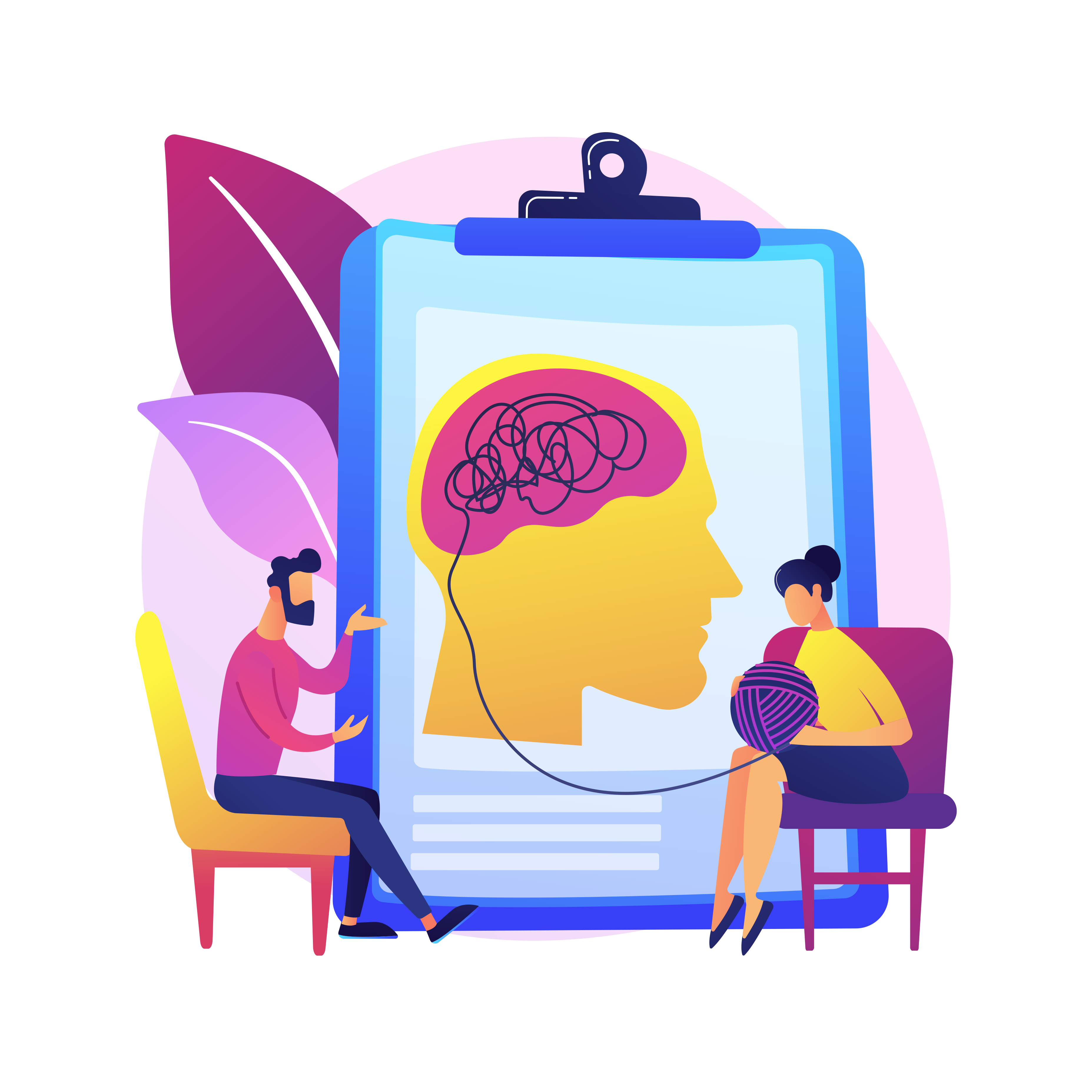
The good news? Brains can change. Nervous systems can rewire. Emotional patterns can soften. And it starts with noticing the space between the trigger and the spiral — and choosing to pause there.
That’s where your power lives.
🚗 So… Who’s Driving?
One of my favourite money metaphors is this:
You’re the driver. Money’s just the fuel.
Money shouldn’t be behind the wheel of your life. Your fear shouldn’t be navigating your career, your savings, your self-worth.
You get to drive. You get to slow down, shift gears, change direction.
And if your inner critic pipes up with, “Well, I’ve been driving into ditches for years”…
Guess what? Even the best drivers stall. You don’t need a perfect track record. You just need to grab the wheel now.
And maybe keep a post-it note on your dashboard that says: “Pause. Breathe. One calm action.” Money’s not your enemy. It’s just energy. Fuel. And you, my friend, are going places.
Until next time — take care of your brain, your breath, and your bank account.
You’ve got this.
— Fanny
Certified Money Coach | Cognitive Hypnotherapist | Recovering Overthinker
Ready to reset your money mindset?
Message me at info@fannysnaith.com