

The 90-Second Window: Not a Rule, But a Lifeline
Let’s be clear — the “90-second rule” isn’t a scientific law. It’s a helpful shorthand for understanding the gap between feeling and feeding an emotion.
When something money-related triggers us — an overdraft alert, an unexpected bill, or someone’s smug mortgage-free life on Instagram — our body reacts first. Cortisol and adrenaline flood the system. Our heart rate rises. We enter fight, flight, freeze or fawn.
But here’s the trick: that wave of physical reaction passes. Usually within about a minute and a half — unless we keep it going with thought spirals.
If we can pause long enough to let the wave crest and fall — without trying to fix, solve, or panic-spend — we start to reclaim power over our choices.
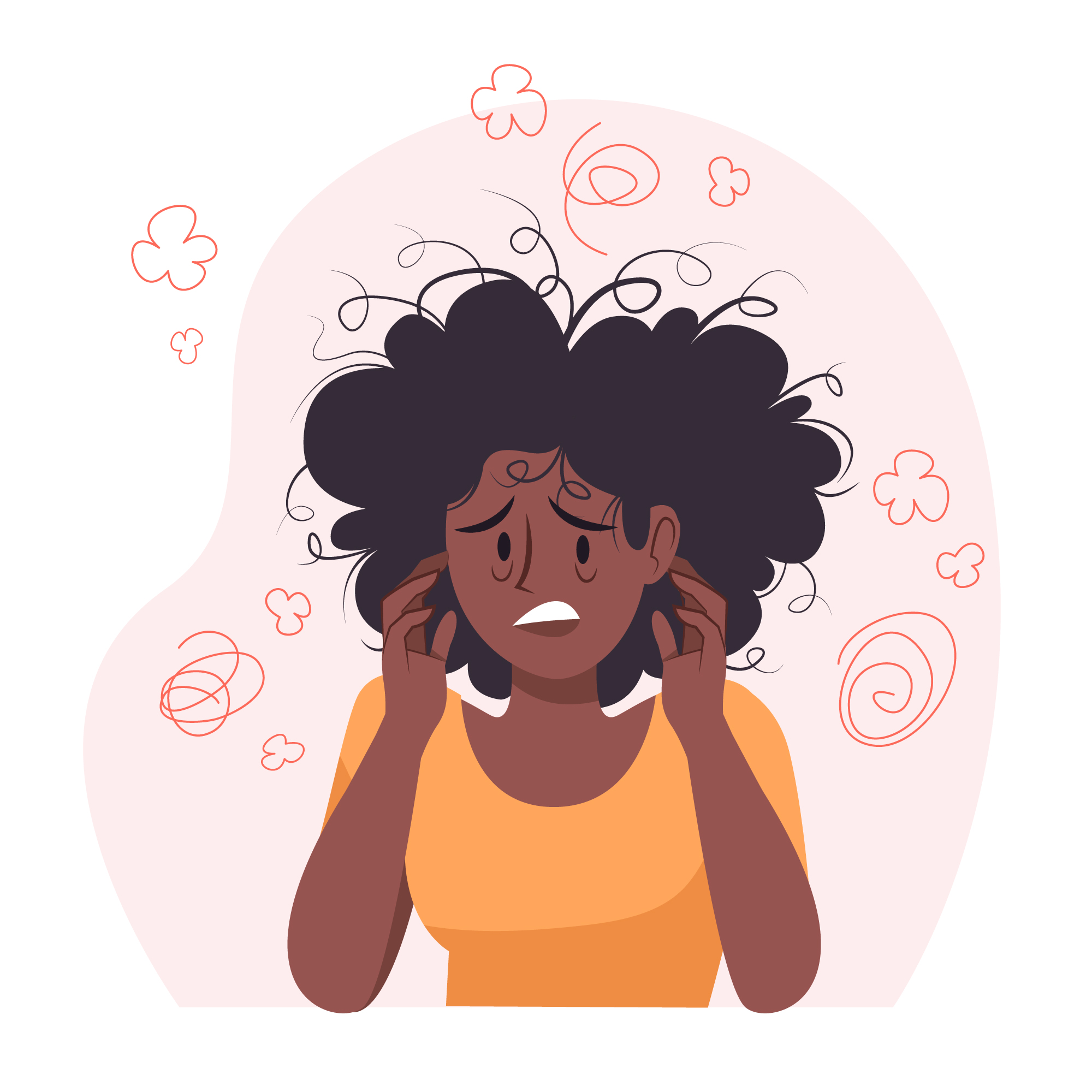
The panic loop
Welcome to the Panic Loop
Here’s what a financial panic loop might look like:
You see your balance. It’s lower than expected.
You feel shame, fear, or guilt.
You start telling yourself a story: “I’ve messed everything up,” “I’ll never be okay,” “Everyone else has it sorted.”
You spend money you don’t have to feel momentarily better — or bury your head and avoid your accounts altogether.
The shame grows. The spiral deepens.

Toolkit
Your 90-Second Reset Toolkit
So how do we interrupt the loop and regulate ourselves in that tiny but powerful window?- Place one hand on your chest, one on your tummy. Breathe slowly. Inhale for 4, hold for 4, exhale for 6. Do this for 90 seconds. This signals “safety” to your nervous system.
- Say out loud: “I feel anxious. I feel scared. I feel ashamed.” Naming the emotion — not the story — lowers activity in the brain’s fear centre.
- Stand up and press your feet into the ground. Wiggle your toes. Bring your attention to the physical body, not the mental noise. This grounds you in the now.
- “What’s one small, calm action I can take next?” Not five. Not forever. Just one.
- “I’m scared that if I ____, then ____ will happen.” Then ask: Is that true? Is it helpful? Is it mine?

The emotional check in should be a weekly ritual.
The Emotional Check-In Framework
To stay ahead of the spiral, try this weekly ritual:
What emotion is most active for me around money right now?
What’s triggered it lately?
What’s the story I’m telling myself?
Does it need updating?
What’s one thing I can do to feel safer with money this week?Even two minutes of reflection can interrupt the emotional autopilot that runs so many people’s financial lives.
Regulated Mind, Better Money Choices
Here’s the bottom line: Emotional regulation is financial intelligence in disguise.When your nervous system is calm, you’re more likely to:
Log in instead of avoid.
Plan instead of panic.
Ask for help instead of hide.
Spend intentionally instead of reactively.Same situation, different outcomes.
Scenario A:
You panic, buy something, feel worse, and spiral.
Scenario B:
You pause, breathe, check your budget, move £30 from your buffer, and make a new plan.
Scenario C:
You pause, breathe, ask for help or a payment plan, and start making a plan — even without a buffer.
It’s not about being perfect. It’s about building a pause into the pattern.
Final Thoughts: Power Lives in the Pause
You don’t need to become a Zen master overnight. You don’t need to banish every money wobble forever.You just need to know this:
You are not your panic.You are not your overdraft.You are not your last emotional purchase or missed bill.You’re a human with a nervous system that can learn. A brain that can change. A future that doesn’t have to repeat the past.And the next time you feel your money stress rising, remember this:Pause. Breathe. One calm action.That’s how the tide turns.You’ve got this.And I’m cheering you on — 90 seconds at a time.
Keep an eye out for the next read in this series.
Thanks for reading