

Recognising your patterns with money—who influences them, and whether you’re in charge—is key to creating change
If you’ve ever thought, “Why do I keep doing that with money?” you’re not alone. Whether it’s impulse buys that arrive in cardboard boxes, quietly ignoring the bank balance, or always bailing someone else out while your own account wheezes—our habits can feel like they’re running the show.
Here’s the catch: they often are. Most of us never consciously designed our money behaviours. We inherited them—picked up like background music from our parents, culture, or friends. We copy what we saw, or rebel against it, but either way we’re not really in charge until we bring awareness into the mix.
The Invisible Script
Think back. Did you hear phrases like:
“Money doesn’t grow on trees.”
“We can’t afford that.”
“Rich people are greedy.”
“Don’t talk about money, it’s rude.”
Those words stick. They become scripts running in the background, guiding our choices long after we’ve forgotten who said them. The problem? Scripts aren’t truths—they’re just habits of thought.
Awareness is the moment you catch yourself mid-script and ask: “Hang on… do I actually believe this? Or am I just repeating someone else’s story?”
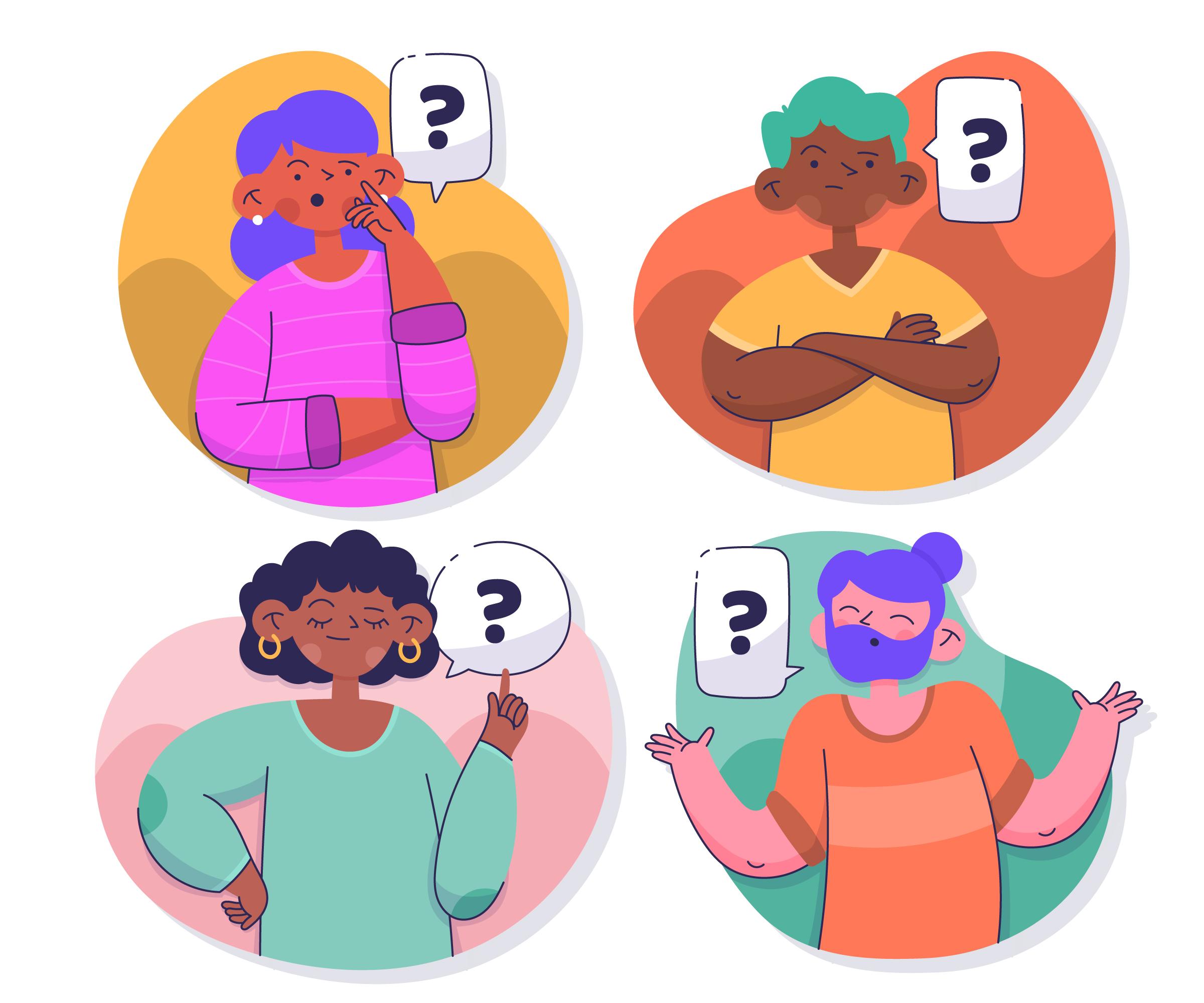
Why Awareness Matters
Without awareness, your past keeps spending your future. With awareness, you get choice. That’s the golden key.
If you notice you always spend when you’re stressed, awareness lets you pause and ask: “Do I need comfort—or do I need calm?”
If you find yourself avoiding your account, awareness lets you admit: “This isn’t protecting me, it’s costing me.”
If you’re forever rescuing others financially, awareness lets you question: “Am I helping—or am I leaking my future security?”
Awareness doesn’t shame you. It gives you ownership.
Positive Steps to Take Back Control
Here are some gentle but powerful ways to build awareness and shift into ownership:
1. Track the feeling, not just the numbers.
For one week, note what you were feeling each time you spent, saved, or avoided money. Excited? Guilty? Lonely? Powerful? At the end, you’ll see patterns—and patterns are gold dust.
2. Create your Money Pause.
Before you spend, ask: “Do I want this—or do I need it?” That two-second pause often makes the decision for you.
3. Look for your ‘money twins.’
Who in your family or friendship circle spends like you? Who saves like you? Sometimes our habits aren’t unique at all—they’re echoes. Spotting this frees you from thinking “it’s just me.”
4. Flip one script.
If your old belief is “I’m bad with money,” swap it for: “I’m learning to be good with money.” Small shifts in language shape bigger actions.
5. Celebrate small wins.
Did you resist one unnecessary spend? Check your balance without panicking? Put £20 aside? Brilliant. Progress, not perfection, is the goal.
The Ripple Effect
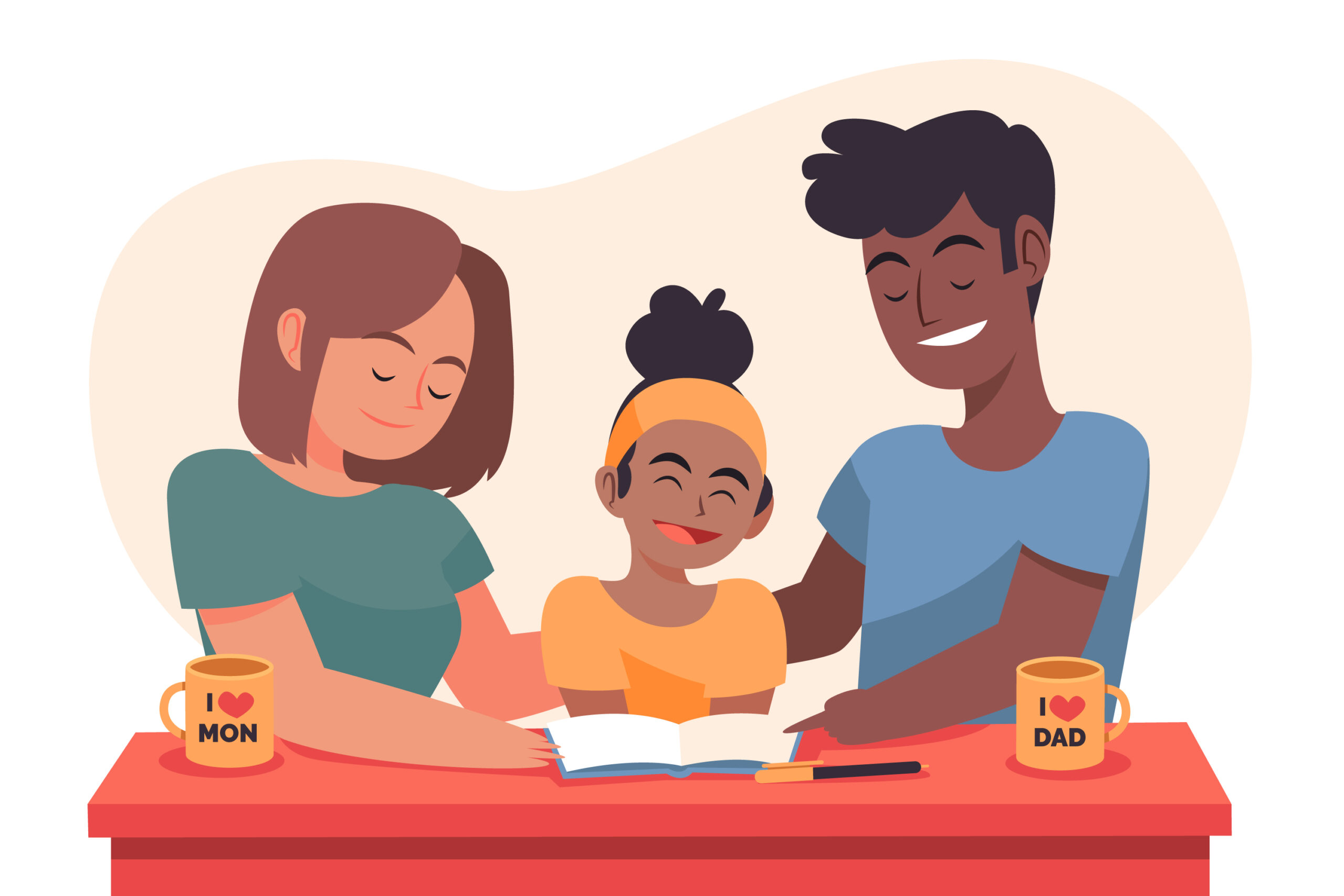
Awareness isn’t just about bank balances—it changes relationships. When you talk openly with a partner or friend about your money habits, it breaks secrecy and shame. When you show children how you make spending choices, you pass on confidence rather than confusion.
Imagine a culture where it’s as normal to ask a friend, “How do you manage your savings?” as it is to ask about their gym routine. We’d all be richer—in money, in knowledge, and in peace of mind.
A Fresh Perspective
One of my favourite money reminders is this: you are the driver, money is just the fuel. It can take you anywhere, but only if you grab the wheel.
The road ahead doesn’t need to be dramatic. You don’t have to overhaul your whole financial life overnight. Awareness grows from tiny steps: a pause before you tap the card, a moment to notice who’s influencing your choices, the courage to ask whether that pattern is serving you.
Every time you spot and shift a money habit, you reclaim a little more ownership. And ownership, over time, creates freedom.
Your Call to Action
This week, challenge yourself to notice just one money pattern. Write it down. Ask yourself: “Whose voice is this?” Then decide if it belongs in your future.
Because when awareness creates ownership, you stop being a passenger in your financial life—and start being the driver.
And that, my friend, is how change begins.
Thank you for giving your time to read this.
You can reach me at www.fannysnaith.com