

Have you ever caught yourself admiring your neighbour’s new car and wondering if you should upgrade yours too? Or felt that strange twinge of inadequacy when someone posts their dreamy holiday villa on Instagram while you're wrestling with your energy bill? If so, you're not alone — and you’re not broken. You're just playing a very old game. One that costs more than most people realise.
It’s called Keeping Up with the Jones’ — and it’s landed millions of people in quiet, suffocating debt.
The moment we start comparing our lives to someone else’s — their house, their gadgets, their lifestyle — we enter what I call the False Mirror. It’s a mirror that reflects not truth, but projection. What we think someone else’s life means becomes a distorted measure of our own worth. And when our sense of worth is rattled, many of us reach for the quickest comfort available: spending money.
In my work as a money coach, I’ve seen this pattern in people across all income levels. High earners living paycheck to paycheck. Small business owners taking out loans they don't need – or the business can’t afford. Parents stretching beyond their limits to host the “perfect” birthday party. Why? Because of a subconscious belief that if we look like we’re doing well, we must be okay.
Here’s the thing: financial peace doesn’t come from appearing successful — it comes from feeling safe, aligned, and in control of your choices.
What Are You Really Buying?
Let’s break this down.
Imagine your neighbour rolls up in a brand-new electric SUV. It’s sleek, silent, and smacks of eco-luxury. You smile and nod. But inside, a little spark goes off. A mix of envy, pressure, maybe even shame. That’s your nervous system reacting. And that reaction is not about the car. It’s about what the car represents to you.
Respect. Security. Belonging. Admiration.
What you’re really craving might not be the object — it might be a sense of identity.
This is where the financial trap snaps shut. If you try to fill that emotional hole with external stuff, it never ends. It’s like trying to quench a thirst by eating sand.
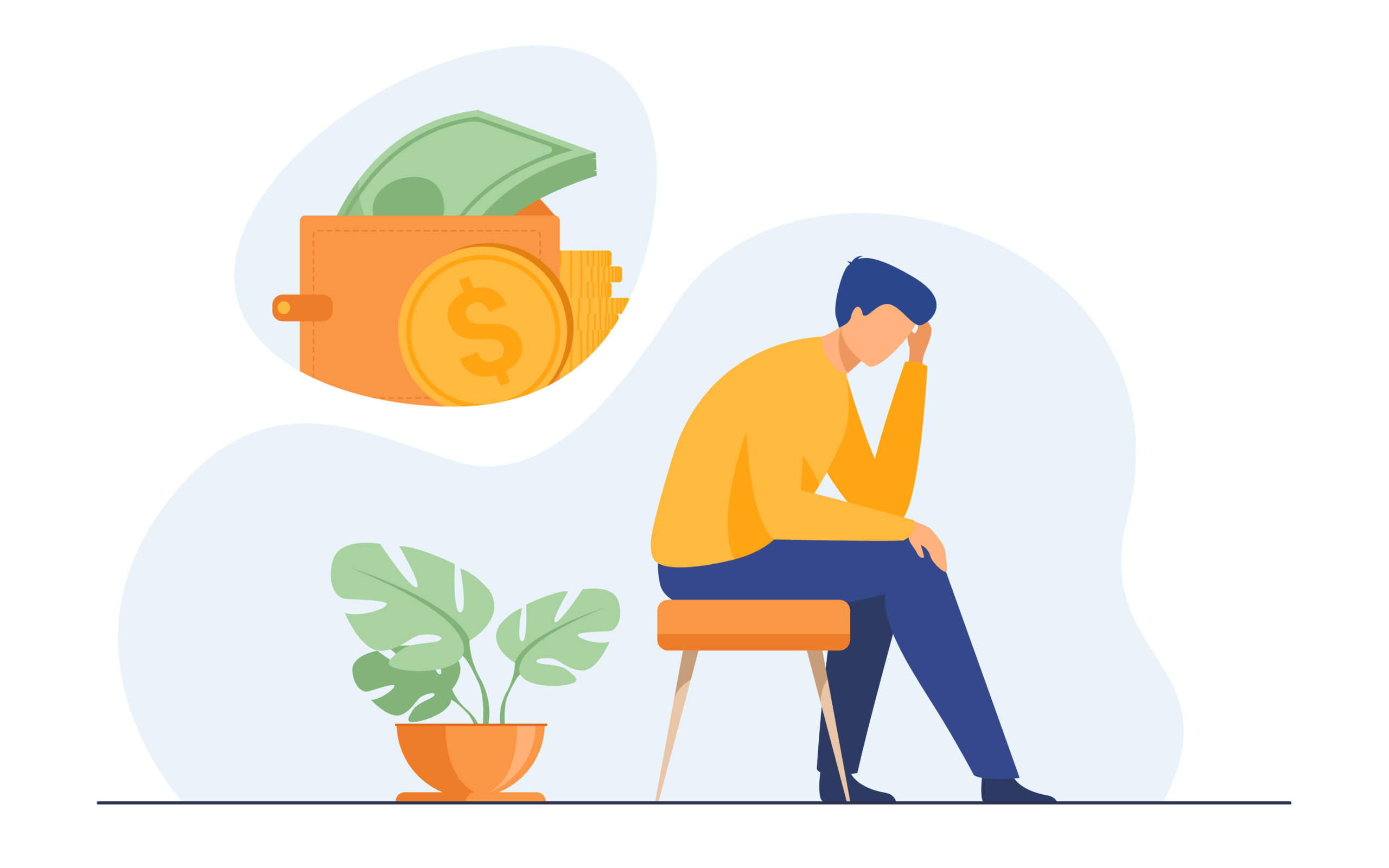
The Emotional Cost of Comparison
Most people don’t realise how deeply this performance culture is embedded in us. We're raised on it. Social media fuels it. Advertisers thrive on it. And without realising, we begin to confuse our financial decisions with emotional ones.
In the coaching I offer, we look at the being behind the doing. Ask yourself:
- Am I spending to impress, or to express?
- If no one saw this purchase, would I still make it?
- What do I believe this will “fix” about me?
Often, we’re chasing an internal sense of value using external tools. And that rarely works. You can’t “buy” your way into feeling worthy — though it’s understandable why we try.

The Eight Archetypes at Play
This is where our money archetypes come in — internal personas that drive our financial habits. (See www.fannysnaith.com)
- When you're triggered by comparison, it might be:
- The Innocent, who feels they’re falling behind and wants someone to rescue them.
- The Fool, who leaps into purchases to get a quick high.
- The Martyr, who spends on others to feel needed or important.
- The Tyrant, who hoards and controls to avoid feeling vulnerable.
None of these are “bad”. They’re just old software running the show. The key is to notice who’s driving — and whether you want to keep letting them.
Stepping Into Your Financial Truth
So, what’s the alternative?
We stop playing the game.
Not by opting out of life, but by opting into our own truth. That means:
- Knowing what enough looks like for you
- Spending in alignment with your values, not your ego
- Learning to sit with discomfort rather than spending through it
- Becoming the Magician — the archetype who creates from clarity, not comparison
When you start living from this place, money becomes a tool — not a trap. You can stop performing and start designing a financial life that feels good from the inside out.

Try This at Home
Want to get out of the neighbour comparison loop? Here’s a quick 3-step exercise.
Pause: Next time you feel triggered by someone else’s purchase, take a breath. Where do you feel it in your body?
Name It: Ask, “What do I believe this item represents? What am I really craving?
Redirect: What’s one small way you could give yourself that feeling without spending or performing?
This tiny practice, done regularly, can rewire your money mindset in profound ways.
The Real Flex? Financial Peace
- Sleeping well because you're not in debt.
- Spending in line with your values.
- Not needing to prove anything to anyone.
- Having emotional peace around money.
It’s saying:
“I don’t need to perform wealth. I am well.”
Let’s be real — the world isn’t short on people trying to look rich. What we need more of are people who feel calm, grounded, and empowered around money.
If you want to start this journey, you don’t need to overhaul your life overnight. Just notice. Get curious. Have the courage to stop performing and start being.
And next time your neighbour rolls up in something flashy?
Smile. Wish them well. And remind yourself: You’re on your own financial adventure. And it’s exactly where you’re meant to be.
 To start your Financial Adventure and discover your Money Archetype, visit www.fannysnaith.com